
Die Walküre
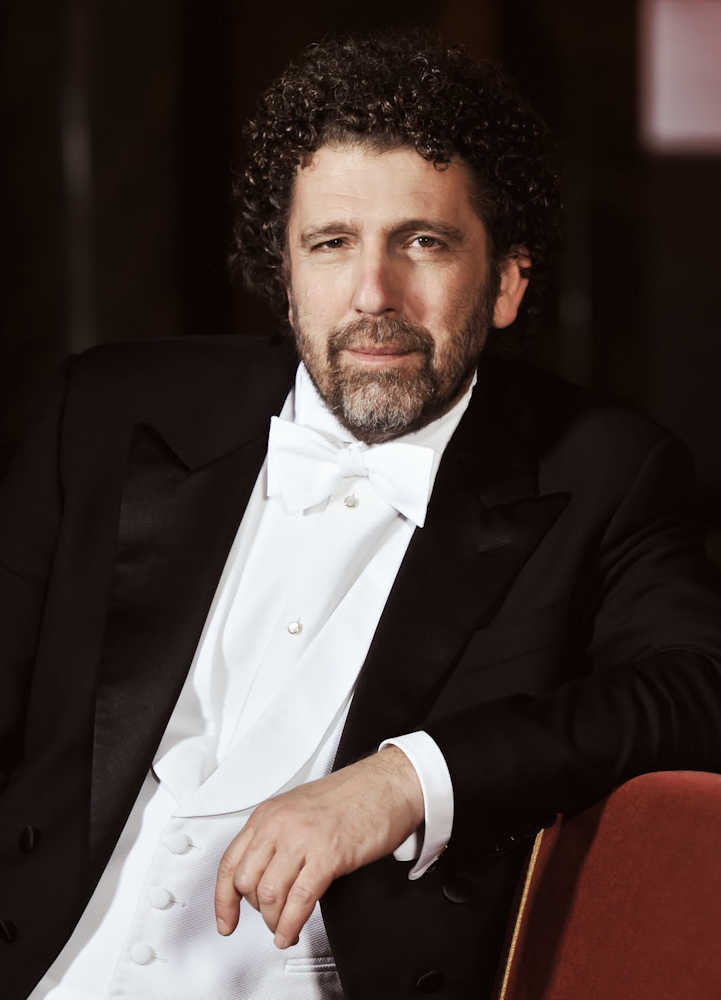
| Asher Fisch | |||||
| Orchestra of the Seattle Opera | ||||||
Date/Location
Recording Type
|

| Siegmund | Stuart Skelton |
| Hunding | Andrea Silvestrelli |
| Wotan | Greer Grimsley |
| Sieglinde | Margaret Jane Wray |
| Brünnhilde | Alwyn Mellor |
| Fricka | Stephanie Blythe |
| Helmwige | Jessica Klein |
| Gerhilde | Wendy Bryn Harmer |
| Ortlinde | Tamara Mancini |
| Waltraute | Suzanne Hendrix |
| Siegrune | Sarah Heltzel |
| Grimgerde | Renée Tatum |
| Schwertleite | Luretta Bybee |
| Roßweiße | Cecilia Hall |

Talented acting makes Seattle Opera’s Die Walküre a heart-breaking experience
After Sunday night’s breathtaking Das Rheingold, it was difficult to imagine Die Walküre could be more beautiful or committed. Seattle Opera outdid themselves with this second installment of the Ring cycle, which featured energetic playing and singing, gorgeous stage pictures, and devastatingly believable acting from all of the singers.
The curtain rose on an intricate set of the forest and Hunding’s hut, with Siegmund (Stuart Skelton) running, tripping, pounding on the door, and finally collapsing inside. Later, he had many more orchestral interludes to fill with wordless acting, and he did so proficiently. We are very fortunate that such a consummate actor also sings divinely, with pure notes and unmatchable intensity. His cries of “Wälse” were as desperate as they were long – and they were the longest I have ever heard. Mr Skelton was perfectly matched by Margaret Jane Wray’s Sieglinde, who sang with passionate energy. The pair had strong chemistry, with searing, furtive glances in Hunding’s hut, childish flirtatiousness in their spring duet, and palpable despair in the second act. Sieglinde’s self-loathing and temporary madness and Siegmund’s threat of murder-suicide were believable and heart-wrenching. Their relationship was made even more poignant by the contrast with Sieglinde’s marriage. Hunding (played by Andrea Silvestrelli, whom I admired as Fasolt and whose booming bass voice continued to impress) was brutal towards Sieglinde, drawing gasps from the audience during bouts of physical abuse.
The emphasis on authentic human relationships held for the rest of the opera. Wotan and Fricka’s marriage may have been tumultuous, but it clearly was not loveless. Fricka’s demands and accusations in the second act provoked laughter, but it was in response to the uncomfortably recognizable picture of a loving couple with conflicting desires rather than the stereotype of the unloved wife and henpecked husband. Stephanie Blythe’s Fricka held nothing back vocally. Her voice encompassed a range of colors and volumes that matched her argumentative tactics: a steely tone conveyed urgency, softer phrases sounded pleading, and sometimes she seemed determined to win through the sheer resonant volume of her sound.
This Brünnhilde obviously understood her father’s relationship with her stepmother. Although she was studiously polite to Fricka (greeting her with a prolonged bow), she delivered her comments to Wotan saucily. But even in their banter, there was a sense of tenderness that set the stage for Wotan’s confidence in Brünnhilde and for their mutual despair in the final act. (Wotan collapsed at the end of the opera, overcome by the pain of parting from his beloved daughter forever.) Greer Grimsley as Wotan was a masterful singer-actor. Although I didn’t love the sometimes-croaky sound at the bottom of his range, on the whole, his voice is suited to the part, and his cry of “das Ende” gave me chills. Alwyn Mellor’s Brünnhilde had fabulous top notes with an initially less solid middle that warmed up as the opera progressed. Her acting was less nuanced than the rest of the cast’s (she seemed focused on her sound production) but still believable. She also sang with perfect diction that allowed me to catch every word – a rare feat for a dramatic soprano!
Brünnhilde’s fellow Valkyries formed a young, beautiful group, with voices that sounded good both individually and together. Each of these Valkyries had her own personality (Siegrune’s terse “Arbeit gab’s” got some laughs) and her own way of refusing Brünnhilde help and, later, bidding her farewell. The scenes with the Valkyries were also an opportunity for director Stephen Wadsworth to show off his fabulous eye for stage pictures. Each blast from the brass section between Wotan’s arrival and the Valkyries’ departure in Act III signaled a shift in the positions of the ten actors on stage. Each tableau created could have been a painting, with visually balanced levels and dramatically expressive gestures.
Conductor Asher Fisch received much applause, which he deserved. This Walküre seemed just the right length, thanks to maestro Fisch’s sensitive pacing. The Seattle Opera Orchestra followed him well and created wonderfully textured sounds, though the occasional timidity of the brass section meant some leitmotifs seemed a hair delayed. I sometimes worried that the enthusiastic orchestra would overpower the singers, but designer Thomas Lynch’s sets prevented this problem. Not only were they realistic (“I kept wondering whether those were real trees”, an audience member mentioned at intermission), but they were also clearly designed with acoustics in mind. Hunding’s hut in particular served as an amplifier that enabled heavily accompanied vocal lines to cut through the orchestra.
As the last notes of the opera died out and the curtain closed on Wotan’s slumped figure, the audience immediately began a standing ovation that remained undiminished through three rounds of bows. As I left the theater, I heard a woman behind me say, “I want to see that ten more times”. I agree.
Ilana Walder-Biesanz | 07 August 2013
Setting the night on fire
There’s nothing quite like being in the middle of a successful “Ring,” with that sudden transition from ferocious conversational buzz at intermission to rapt silence the moment the music starts. McCaw Hall is definitely the place to be for music lovers this week, as opera cognoscenti from around the world explode in rock-star cheers every time conductor Asher Fisch stands up to take a bow and acknowledge the orchestra.
As they did in Sunday’s “Das Rheingold” opener, Fisch and his first-rate players provided the surging energy that fueled an unforgettable “Die Walküre” on Monday evening. This is many opera lovers’ favorite of the four “Ring” shows: the dramatic and passionate first act bringing together the ill-fated lovers Siegmund and Sieglinde; the mother of all husband-and-wife conflicts in the second act; and the epic Ride of the Valkyries in the third. The stage was smoking on Monday night, and not only in the finale (in which Brünnhilde does a Sleeping Beauty on a rock surrounded by flames).
Amid the many returning cast members, operagoers were eager to hear an important debut: Alwyn Mellor as Brünnhilde. She had us at “Hojotoho.” Seldom has the Valkyrie’s famous calling card sounded so opulently secure: no vague swoops or screeches, just thrillingly accurate quality. Elsewhere, Mellor’s vibrato can get a bit wide, but she proved a compelling and intelligent singer with the necessary volume, stamina, and theatrical savvy to make an impact in this role.
Stephanie Blythe is a revelatory Fricka, with the power to blow everyone else off the stage, and the intelligence to shape that mighty instrument in more interesting ways. She continues to amaze the ear.
Stuart Skelton’s Siegmund and Margaret Jane Wray’s Sieglinde were both opulent of voice, passionately convincing as actors, and persuasive in their ardor. Wray’s voice is even more sumptuous than it was four years ago; the excellent Skelton may well have set a new Seattle distance record for the sheer length of his “Wälse!”
Andrea Silvestrelli is the bully you love to hate, reveling impressively in the nastiness of Hunding (he’s a bit careless of pitch, however). The troupe of Valkyries — Wendy Bryn Harmer, Jessica Klein, Suzanne Hendrix, Luretta Bybee, Tamara Mancini, Sarah Heltzel, Renée Tatum and Cecelia Hall — are terrific, moving from roistering jollity to terror and grief at Brünnhilde’s punishment.
The show may be called “The Valkyrie,” but it’s Wotan who does the heavy lifting, and Greer Grimsley has never been more impressive in that role with its lengthy narratives and its wide emotional range. This is remarkable work. Grimsley’s stamina seemed to flag a bit toward the end, but he still rose to a final scene that had many audience members reaching for their hankies.
Director Stephen Wadsworth has enriched and deepened much of the staging, and there is a valedictory feel about this show as the characters express the human cost of their mistakes. Brünnhilde turns away repeatedly in the Todesverkündigung scene (in which she announces Siegmund’s impending death), as if she can’t quite bear to deliver the news. A Valkyrie turns back suddenly in regret for a final farewell to her exiled sister. Wotan sags with grief, clinging to the wall, as he leaves Brünnhilde on her rock in the opera’s last moments. This is a “Ring” that gives the operagoer plenty to ponder — and plenty to applaud.
Melinda Bargreen | August 6, 2013

 (6/10)
 | Avie |